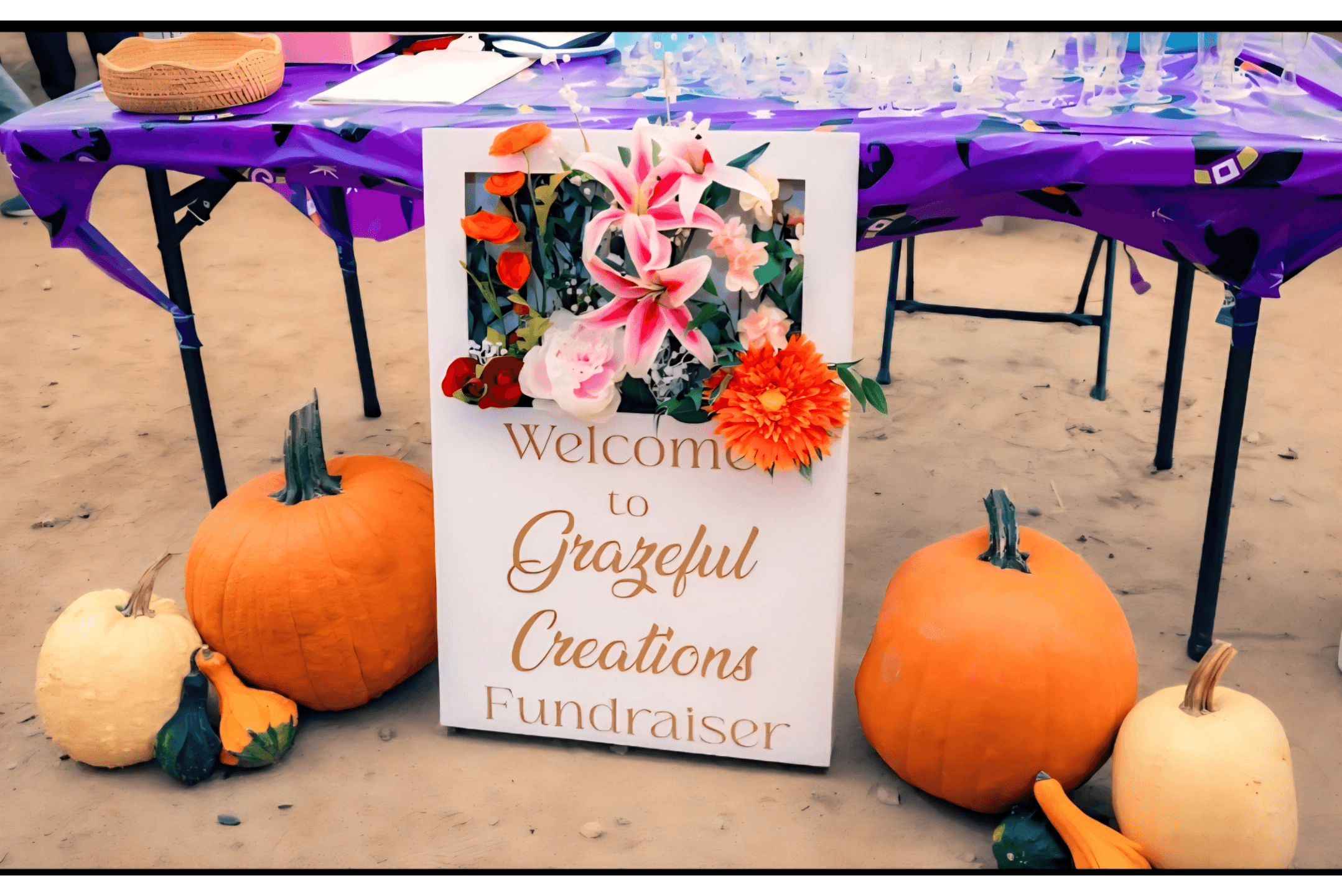
I've seen the panic in people's eyes when they tell me they're hosting 50, 80, even 120 guests and they want a grazing spread. The mental math kicks in immediately: how much cheese is that? How many crackers? Will there be enough? Will it look good or will it look like a ransacked buffet after 20 minutes? Take a breath. I've done this hundreds of times and I'm going to walk you through exactly how to make it work.
Let's start with quantities, because that's usually the biggest source of anxiety. For a grazing table serving as cocktail hour food or heavy appetizers (not replacing a full meal), I plan for approximately 3 to 4 ounces of food per person. That breaks down roughly to: 1.5 ounces of cheese per person (that's about 5 pounds of mixed cheeses for 50 guests), 1 ounce of cured meats per person (about 3 pounds for 50 guests), plus generous amounts of fruits, vegetables, crackers, dips, nuts, and accompaniments.
If the grazing table is the main food at your event (replacing a sit-down meal), bump everything up by about 50%. You want people to feel fully fed, not like they had a snack. For 50 guests as a main meal, I'm looking at roughly 8 pounds of cheese, 5 pounds of meats, 4 large fruit platters worth, multiple dips, several pounds of crackers and bread, and a mountain of accompaniments.
Now let's talk about the table itself. For 50 guests, you need at least a 6-foot table. For 80 to 100 guests, an 8-foot table or two 6-foot tables pushed together. For 120 plus, I typically use an L-shaped or U-shaped configuration with multiple access points. Why multiple access points? Because the biggest enemy of a large grazing table is the bottleneck. If 100 people can only approach from one side, you'll get a line and the food near the front will disappear while the food in the back goes untouched.
Access flow is something I think about obsessively. I always try to set up grazing tables as islands (accessible from all sides) or at minimum from two sides. I place duplicate items at multiple points along the table so no matter where a guest approaches, they can build a complete plate. This means cheese appears in at least two zones, meats appear in at least two zones, and crackers are scattered throughout rather than piled in one corner.
Height is what separates a grazing table from a buffet line. I use wooden risers, cake stands, slate boards, marble slabs, and small crates to create different levels across the table. This does two things: it makes the table visually dramatic, and it creates natural sections that help guests understand the layout. Tall items in the centre, medium items around them, and flat items filling in the gaps. Think of it like a landscape with hills and valleys.
Timeline for a 50-person event. I arrive at the venue approximately 90 minutes before guests arrive. The first 30 minutes are unpacking, setting up the table base, and placing the structural elements (boards, risers, vessels for dips). The next 45 minutes are the actual food placement: meats first (they're the most time-sensitive), then cheeses, then fruits and vegetables, then crackers and bread, then garnishes and finishing touches. The final 15 minutes are for stepping back, assessing the overall look, adjusting any sparse areas, and taking setup photos.
For the DIY hosts out there who want to attempt this without a caterer, here's my honest advice. It's absolutely doable for 50 guests, but it's a bigger project than you think. Plan to spend the entire morning on shopping and prep. Buy more than you think you need (you can always eat leftovers; you can't manifest more cheese at 6 PM). Pre-slice everything. Have serving utensils for every single item. And most importantly, have someone helping you. Building a grazing table alone while also hosting an event is a recipe for a meltdown.
But here's the thing: you don't have to do it alone. That's literally what I do. When you hire me for a 50-person event, you're not just paying for the food. You're paying for the planning, the shopping, the prep, the design, the transport, the setup, and the peace of mind that comes from knowing it's handled. You get to be a guest at your own event instead of sweating in the kitchen.
Temperature management is the last piece that people forget. Charcuterie is best served at room temperature, but that doesn't mean it can sit out indefinitely, especially in summer. For outdoor events, I plan the setup timing so food isn't in direct sun for more than an hour. I use insulated transport, and I place items strategically so delicate items like soft cheeses and fresh fruits are in the shadiest spots. For indoor events in climate-controlled spaces, this is less of a concern, but I still keep an eye on things.
If you're in the Kitchener-Waterloo area and you've got 50 or more guests to feed, let me take the stress off your plate (pun fully intended). I'll bring the food, the design, and the experience. You bring the guests and the good vibes.
Written by Nora, Founder of Grazeful Creations